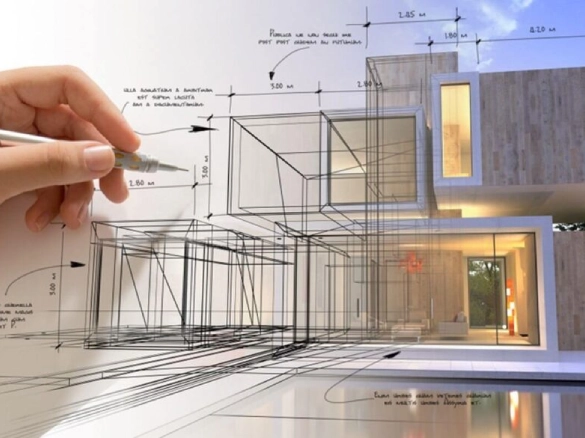
Beginning your career in architecture and interior design is a thrilling milestone that is full of ambition, curiosity, and a feeling of fresh starts. The foundation for how you think, create, and approach design is laid during the first year of undergraduate program in architecture or interior design. Students at L. S. Raheja School of Architecture (LSRSA) are welcomed into a nurturing learning environment that promotes creativity, discipline, and inquiry

For aspiring architects and interior designers, the choice of institution is more than an academic decision—it shapes how one thinks, design, and practices for years to come. The foundation you build during your undergraduate years sets in place not only your technical capabilities but also your creative vision and professional outlook. Amid the growing demand for a comprehensive and well-rounded academic experience, LSRSoA has emerged as one of the leading
When we think of interior design, images of stylish living rooms, elegant offices, or chic cafés often come to mind. But today’s design world is no longer just about the looks. It is about moving towards something bigger and more urgent. Sustainability. Every choice an interior designer makes, from the materials they select to the way they plan and light a space, carries an environmental impact. In an era defined

Graduating with a degree in architecture or interior design is a proud milestone, but it’s also just the beginning. For many students, the real challenge starts the day after graduation – how do you turn years of studio work and late-night submissions into a thriving career? This is where a college’s role goes far beyond academics. The right institution doesn’t simply teach design; it equips students to succeed in the

Do you find yourself rearranging your room for fun? Getting lost in Pinterest boards full of beautiful homes? Admiring the aesthetics in a café? Or critiquing the lighting in a restaurant? That’s more than just a passing interest. That’s passion. And in the world of interior design, passion is your most valuable asset. Interior design goes far beyond arranging furniture or choosing colours. It is about shaping spaces that influence

When you think of the future of architecture, one thing is certain – the best way to learn is by doing. Architecture is not just about memorising design principles from books; it’s about applying them in studios, on sites, and in real-world projects. While a strong theoretical foundation is essential, true learning happens in the application of that knowledge. The most successful architects and interior designers are those who understand

Interior design isn’t just about making spaces look beautiful. It is a profession that shapes every corner of how we live, work, and interact with our spaces. It shapes our homes, offices, retail experiences, hospitality interiors and increasingly, even our mental well-being. It blends creativity with purpose and form with function. If you’re someone who notices the way a room feels, instinctively imagines better layouts, or finds joy in colour,

Architecture is more than just designing buildings; it is about shaping the spaces where life unfolds. It is the blend of creativity and structure, vision and detail, imagination and execution. From soaring skylines to thoughtfully designed homes, architects leave a permanent mark on the world and quietly influence how people live, work, and interact every day. If you find yourself sketching ideas on napkins, checking out beautiful buildings, or dreaming
02
Jul 2025
Best Interior Design College in Mumbai

In a world where interiors influence not just how we live but how we feel, the value of interior design as a discipline goes far beyond decorating rooms or choosing colour palettes. It becomes about designing experiences, understanding human behaviour, and bringing together aesthetics, functionality, and human experience to shape the way people live, work, and interact within spaces. As cities grow and lifestyles evolve, the demand for trained interior
30
Jun 2025
Interior design courses after 12th

Interior design is no longer just about making spaces look pretty. It’s about understanding how people move, interact, and feel within those spaces and then shaping them to support, inspire, and elevate daily life. As homes become multifunctional, workplaces evolve, and urban living grows more complex, the demand for interior designers who can blend creativity with practicality is at an all-time high. If you’re someone who notices the details, rearranges

