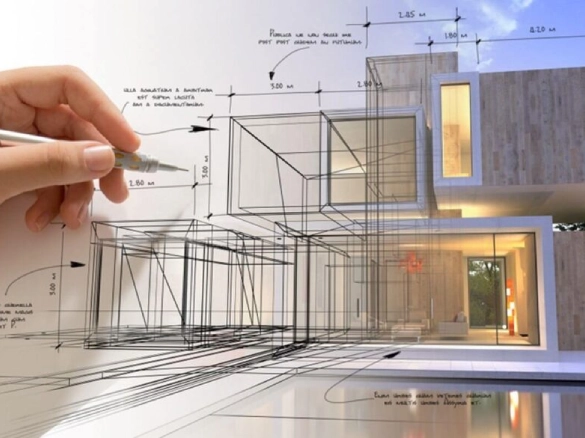
Beginning your career in architecture and interior design is a thrilling milestone that is full of ambition, curiosity, and a feeling of fresh starts. The foundation for how you think, create, and approach design is laid during the first year of undergraduate program in architecture or interior design.
Students at L. S. Raheja School of Architecture (LSRSA) are welcomed into a nurturing learning environment that promotes creativity, discipline, and inquiry from the outset.
<span “style=”font-weight: 400;”>Design education is fundamentally different from most other academic disciplines, and new students often face initial challenges in adapting to its academic structure and expectations. This guide describes what new students can anticipate and how to get ready for a fulfilling and stimulating first year.
Understanding the First-Year Experience
Learning the basics is the main focus of the first year of an architecture or interior design program. It’s where students discover new ways of observing, analysing, and expressing ideas through form and space.
At LSRSA, the early semesters emphasize building a strong foundation in design principles, which in turn supports a smooth transition into studio-based learning..
You can expect:
- Exploratory design courses that strengthen conceptual thinking
- Hands-on exercises to understand lines, proportions, textures, and materials
- Structured guidance in the history of architecture and interior design, fundamentals of building construction, familiarity with technical terminology, and the development of drafting and drawing skills.
This phase shapes your mindset as a designer and prepares you for the advanced years ahead.
Adapting With Design Studios and Workshops
Design studios play a central role in both architecture & interior design education. They are dynamic, interactive spaces where you learn through doing, observing, and refining your ideas.
At LSRSA, studio learning encourages exploration and allows students to experiment while working through multiple iterations. You can expect a collaborative environment where faculty members guide you through structured processes and design critique.
Studio learning typically includes:
- Hands-on model-making and sketching
- Group discussions and peer reviews
- Exposure to spatial thinking, visual communication, and creative problem-solving
Workshops further complement design studios by helping students practice techniques, understand materials, and build confidence in their craft.
Balancing Theory and Practical Learning
Architecture and interior design demand a careful balance of theoretical understanding and practical application. First-year students engage with foundational subjects that introduce them to the broader world of design.
You will encounter a mix of :
- Basic design principles
- Architectural graphics and drawing
- Introduction to materials and construction
- History and context of design
LSRSA’s academic structure supports this balance, ensuring students gain clarity in core concepts while applying them through studio assignments.
This approach helps reinforce the interconnected nature of theory and practice in an architecture bachelor degree program.
Building the Right Skill Set Early
Success in the first year has a lot to do with developing the right habits and skills. While every student grows at their own pace, certain abilities can make your transition into design education smoother and more fulfilling.
Helpful skills to build include:
- Time management: Design projects require consistent effort and thoughtful planning.
- Observational drawing : Sketching regularly enhances spatial awareness and visual clarity.
- Basic software familiarity: Simple exposure to digital tools can be beneficial, though mastery comes later.
- Research and documentation : Learning to study references enriches your design approach.
- Openness to feedback : Critiques are an essential part of design learning.
LSRSA supports holistic growth by emphasizing professional ethics, inclusivity, and a positive learning culture—qualities essential for anyone pursuing a future in architecture & interior design.
Making the Most of Campus Life and Co-Curricular Opportunities
Your first year is also an opportunity to immerse yourself in campus life. Events, exhibitions, and festivals such as Aakar offer avenues to engage with peers, learn from workshops, and see inspiring design work on display.
Participating in campus culture helps you:
- Build confidence
- Learn teamwork and leadership
- Strengthen your creative expression
- Experience the collaborative nature of design
LSRSA’s inclusive environment ensures students feel supported as they navigate both academic and co-curricular activities.
Staying Prepared: Practical Tips Before the Semester Begins
A little preparation goes a long way in easing your first-year experience. While you don’t need advanced skills before starting, developing small habits can help you settle in quickly.
Before you begin, consider:
- Acquiring skills in using drafting tools and learning to work with different model-making materials and stationery
- Reading and referencing the works of eminent architects and designers
- Practicing simple sketches and observing everyday spaces
- Exploring architectural works, design books, or documentaries
- Keeping an open mind toward experimentation
These foundational steps support a well-informed and confident start to the program.
Beginning your studies in architecture or interior design is a transformative experience. LSRSA provides an encouraging environment where first-year students can explore, learn, and grow into well-rounded future professionals.
With the right preparation and mindset, your first steps into architecture & interior design can be both exciting and rewarding.
Embrace the learning process, stay curious, and make the most of every design opportunity that comes your way.
Explore our programs, visit our campus, and take the first step toward your design journey with LSRSoA. Learn more by applying online or downloading the detailed program brochure from our website today!


Recent Comments