The Rise of Sustainable Interior Design: Why Students Should Learn It Early
In the face of increasing environmental awareness in the modern world, there is currently a major change taking place in the world of design. No longer are interior designs simply required to be aesthetically pleasing and functional; they are also expected to be sustainable, environmentally friendly, and to enhance quality of life.
As such, sustainable interior design has become one of the most important skills to have. Future students who decide to take an interior design course are stepping into an industry where sustainability will be the norm rather than an option.
This involves choosing sustainable products and designing energy-efficient interiors. Understanding these concepts at an early stage not only improves technical skills but also helps students prepare for industry demands and design responsibly.
Educational institutions are increasingly incorporating sustainability into their design programs to keep pace with the evolving industry.
What is Sustainable Interior Design?
Sustainable interior design is the practice of creating interiors that minimise environmental impact while enhancing comfort, functionality, and aesthetics. It focuses on making conscious decisions throughout the design process, from material selection to energy usage and waste management.
Core Principles of Sustainable Interior Design
- Use of renewable and recycled building materials
- Construction methods that minimise waste generation
- Designing for maximum natural light and ventilation
- Energy-efficient lighting and appliances
- Selection of durable, long-lasting furniture
- Improving indoor air quality with eco-friendly materials
Rather than following short-term trends, sustainable interior design creates spaces that remain functional, aesthetically appealing, and environmentally responsible for years to come.
Importance of Sustainability in Architecture and Interior Design Today
Climate change, resource scarcity, and growing environmental awareness have significantly influenced architecture and interior design. Residential, commercial, hospitality, and healthcare projects now increasingly integrate sustainable practices into every stage of design.
Today’s clients look for interiors that:
- Reduce energy consumption
- Lower maintenance costs
- Utilise environmentally friendly products
- Use eco-friendly materials
- Promote occupant health and well-being
- Support environmental sustainability goals
As sustainability becomes a global priority, professionals with expertise in sustainable design are in greater demand than ever before.
Why Students Should Learn Sustainable Interior Design Early
1. Builds Future-Oriented Design Thinking
Learning sustainability from the beginning enables students to consider environmental impact in every design decision. Instead of viewing sustainability as an additional requirement, they naturally develop a mindset that balances creativity, functionality, and environmental responsibility.
This approach encourages innovative thinking and prepares students to solve modern design challenges effectively.
2. Creates Strong Technical Foundations
A well-structured interior design course introduces students to important concepts such as:
- Sustainable materials
- Green building technologies
- Space planning
- Lighting design
- Climate-responsive design
- Material durability
These concepts provide students with a strong technical foundation while preparing them for sustainable building practices adopted worldwide.
3. Expands Career Opportunities
Green construction has become an essential part of urban development. Organisations across industries are adopting sustainable interiors, creating strong demand for professionals with specialised knowledge.
Sustainable designers often work on projects involving:
- Green residential homes
- Corporate offices
- Retail stores
- Hotels and resorts
- Healthcare facilities
- Educational institutions
- Luxury sustainable interiors
Employers increasingly prefer designers who can combine innovation with environmentally responsible design solutions.
4. Encourages Responsible Material Selection
One of the most valuable lessons in sustainable design education is learning how to select environmentally responsible materials without compromising quality or aesthetics.
Students explore materials such as:
- Bamboo products
- Recycled wood
- Recycled metal
- Cork flooring
- Low-VOC (Volatile Organic Compound) paints
- Natural fibres
- Locally sourced materials
Understanding these options early helps students make informed design decisions throughout their professional careers.
5. Sustainability Enhances Creativity
Many students assume sustainability restricts creativity, but in reality it encourages designers to think differently by embracing natural materials, adaptable spaces, multifunctional furniture, and energy-efficient solutions.
Creative sustainable interiors often include:
- Minimalist design
- Natural textures
- Smart storage solutions
- Flexible space planning
- Biophilic design concepts
6. Technology is Driving Sustainable Design
Modern technology enables designers to make better sustainability decisions throughout the design process.
Technology helps analyse:
- Lighting efficiency
- Energy performance
- Material selection
- Space optimisation
- Environmental impact
Combining sustainability with technology gives graduates a significant competitive advantage in today’s evolving design industry.
Better Career Opportunities
Employers increasingly prioritise professionals who understand sustainable design practices. Students with sustainability knowledge can pursue careers such as:
- Interior Designer
- Sustainable Interior Consultant
- Residential Designer
- Commercial Space Planner
- Furniture Designer
- Exhibition Designer
- Retail Designer
- Set Designer
- Design Consultant
- Green Building Specialist
As sustainability continues to shape the global construction and design industries, these career opportunities are expected to expand even further.
Developing Ethical Design Professionals
Interior designers influence how people live, work, and interact with their surroundings. Learning sustainability early helps students understand their responsibility towards:
- Environmental conservation
- Human health and well-being
- Efficient use of resources
- Community welfare
- Long-term design value
This ethical foundation strengthens professional integrity and encourages responsible decision-making throughout a designer’s career.
Hands-on Experience is Essential
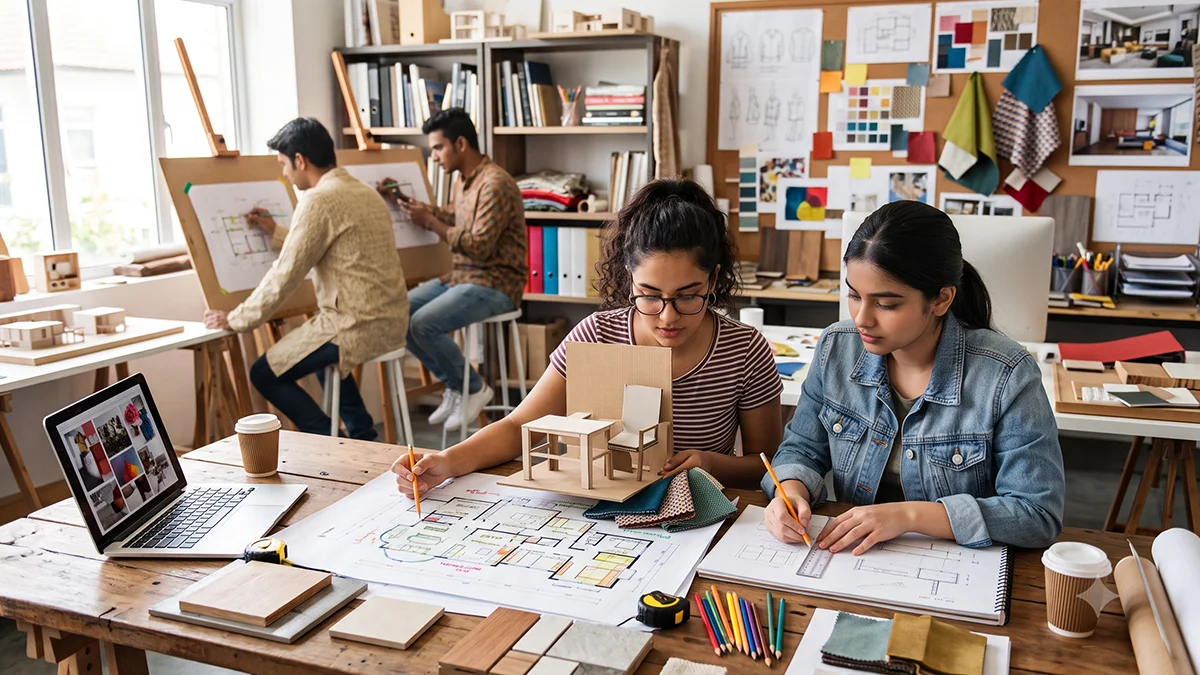
Outstanding design education goes beyond classroom learning. Practical exposure allows students to apply sustainable principles in real-world situations.
Hands-on learning opportunities include:
- Live studio projects
- Material experimentation workshops
- Site visits
- Corporate collaborations
- Design exhibitions
- Portfolio development
These experiences bridge the gap between academic learning and professional practice while reinforcing sustainable design concepts.
Why Choosing the Right Institution Matters
The quality of education plays a significant role in shaping successful designers. Institutions that offer experienced faculty, practical learning, industry exposure, modern technology, and sustainability-focused curricula better prepare students for professional success.
Students considering an interior design course should choose institutions that integrate sustainability, innovation, practical training, and industry experience into their programs.
Conclusion
Sustainable interior design is no longer a specialised niche—it has become an essential aspect of the modern design profession. As industries continue to prioritise environmentally responsible practices, designers equipped with sustainable knowledge will enjoy stronger long-term career prospects.
Learning sustainability early enables students to build solid technical foundations, develop innovative thinking, and create spaces that positively impact both people and the environment.
Choosing an interior design course that incorporates sustainability prepares students for future industry demands while helping them design smarter, healthier, and more responsible interiors.
Likewise, enrolling in a comprehensive sustainable design course allows aspiring designers to understand how creativity and environmental responsibility work together to shape the future of interior spaces.


