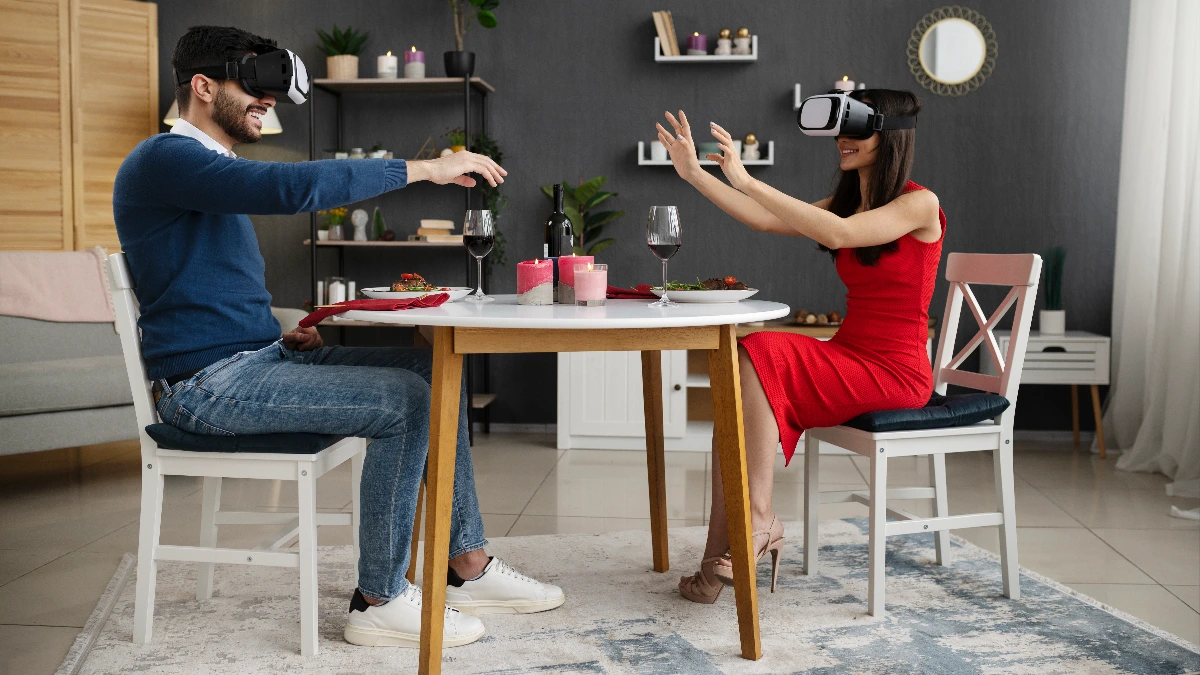
Interior designing is about more than just aesthetics or visual appeal. Interior design course students know that it also shapes human experiences within the built environment. Since we spend the majority of our time indoors, the design of the spaces we occupy has a huge impact on our subconscious mind. Therefore, it affects the way we feel, think, and behave. Interior designing courses train students to understand this spatial psychology and how to harness it for the desired effect.
Different spaces must evoke different feelings in humans through their design. For instance, your home should make you feel relaxed and peaceful, while your workplace should improve your concentration and productivity. Students of an interior design course in Mumbai or other places learn how to create the perfect indoor ambience for varied social purposes as well as psychological needs.
Read on to know why spaces affect human behaviour and the hidden psychology behind it!
The Role of Spatial Psychology in Interior Designing
Spatial psychology, an important field within environmental psychology, has huge significance in architecture & interior design. It refers to the interaction between people and the physical environment around them.
This physical environment includes various kinds of built interior spaces that you inhabit, which could be your home, office, restaurant, beauty salon, or doctor’s clinic, among others. Features like layout, textures, colours, lighting, proportion, scale, configuration, acoustics, etc., subconsciously affect our senses and influence how we respond to all these diverse spaces.
Whether you pursue a Bachelor’s Degree or a Diploma in Interior Designing, leading interior design colleges in Mumbai and other cities will teach you to always prioritise user experience in your designs. The knowledge of spatial psychology helps interior designers create aesthetically appealing and emotionally intelligent spaces that enhance your daily life.
What are the Key Elements of Interior Spaces?
As you will learn during your interior design course, the interiors of a space comprise three key elements:
- Physical Setting – The physical setting essentially forms the backdrop or background scenery of the room, e.g. the finishes and quality of the walls, ceiling, and floor.
- Interior Props – Interior props include objects like furniture, accessories, plants, etc., that you incorporate in the room to enhance its functionality and aesthetic appeal.
- Atmosphere – Interior designers introduce psychological elements into the space to create a specific atmosphere or ambience. Psychological elements in interior design include colour, composition, light and shadow, special effects, etc.
A reliable interior design course in Mumbai or other locations can help you achieve mastery over all the above elements.
The Impact of Spatial Psychology Elements on Human Behaviour
Below are the different ways in which spatial psychology influences human behaviour:
Planning & Layout
Strategic space planning is critical in both architecture & interior design. The room’s layout determines how people move through the space or interact with it. It also directly impacts space utilisation, functionality, and energy efficiency.
A well-planned layout makes it easy for occupants to navigate the space and makes them feel comfortable, whereas a poorly planned one can make them feel confused and frustrated. You will learn how to plan layouts intelligently for enhanced user experience during your interior design course.
Colour Play
The colours you use to decorate a space shouldn’t be based on personal preferences alone. Colours are among the most powerful psychological elements in interior designing, so you must use them wisely. Different hues bring out a range of different emotions in people. Not only that, but they also add a sense of warmth or coolness to the space.
For example, blue is ideal for bedrooms because it is soothing and promotes relaxation. Yellow boosts creativity and makes you feel cheerful, which makes it perfect for living and common areas. Pastel shades like powder blue, mint green, butter yellow, soft pink, beige, etc. are suitable for homes situated in hot and humid weather conditions. Dark hues like red, orange, brown, etc., are more apt for warmer climates. An interior design course in Mumbai or elsewhere will introduce you to these basics of colour psychology.
Material Usage
Different materials possess distinct textures that together add depth to a space and narrate an interesting visual story. For example, reflective materials like glass or mirrors lend elegance and sophistication to the interiors. Natural materials like wood, stone, bamboo, etc., give an earthy and grounded touch.
Spaces that use a combination of various textures feel warm, comfortable, and lived-in. Interior design colleges in Mumbai and other cities teach you how different materials and fabrics contribute to our sensory experience.
Furniture Scale & Placement
The kind of furniture you select, its scale, and the way you place it around the room matter a lot for your physical and psychological well-being. A room with appropriately scaled furniture and the right spacing between different pieces will put you at ease, whereas an overcrowded room with bulky furniture can make you feel claustrophobic. Furniture pieces with ergonomic designs can help you maintain proper posture and be comfortable.
Furniture scale and placement is one of the most important things you will learn while studying for an interior design course in Mumbai or your city.
Inclusion of Accessories
The thoughtful use of decor accessories can significantly elevate the look and feel of a space. Incorporating too many accessories can create unnecessary clutter in the room, which can lead to confusion or crankiness. On the contrary, a well-organised space with minimal accessories can make you feel happy and relaxed. A good interior design course can give you such useful insights.
Lighting Effects
Lighting has a considerable impact on our perception and experience of a space. Rooms that receive ample sunlight through full-length windows or large balconies feel open and inviting. While natural light makes you feel optimistic and energetic, artificial lighting is also a major component of spatial design.
Bright, cool lights help you stay focused and productive, whereas soft, warm lighting exudes warmth and cosiness. Layered lighting (a combination of ambient, accent, and task lighting) is a popular choice as it is visually appealing and eliminates harsh shadows. Interior designing courses teach you all about the impact of lighting effects on human psychology.
Why Pursue Interior Designing Courses at LSRSA?
The L. S. Raheja School of Architecture (LSRSA) is a trusted architecture and interior design institute in Mumbai. It offers the following courses for aspiring interior designers:
- Bachelor’s of Vocation in Interior Design or B. Voc. – ID: A 3-Year Full-Time Undergraduate Degree Program, affiliated to the University of Mumbai
- Government Diploma in Interior Designing & Decoration: A 2-Year Full-Time or 3-Year Part-Time Diploma Program, affiliated to the Maharashtra State Board of Technical Education (MSBTE)
The college follows a holistic teaching approach that combines classroom coaching with regular practical training activities. With its well-equipped campus infrastructure and highly experienced faculty, LSRSA should be your top choice for high-quality education in interior design.
Conclusion
This is the connection between spatial psychology and interior designing. Lucrative interior designing courses can help you acquire a deeper understanding of interior design psychology and its influence on human behaviour. Contact LSRSA today to explore our excellent interior design programs!


