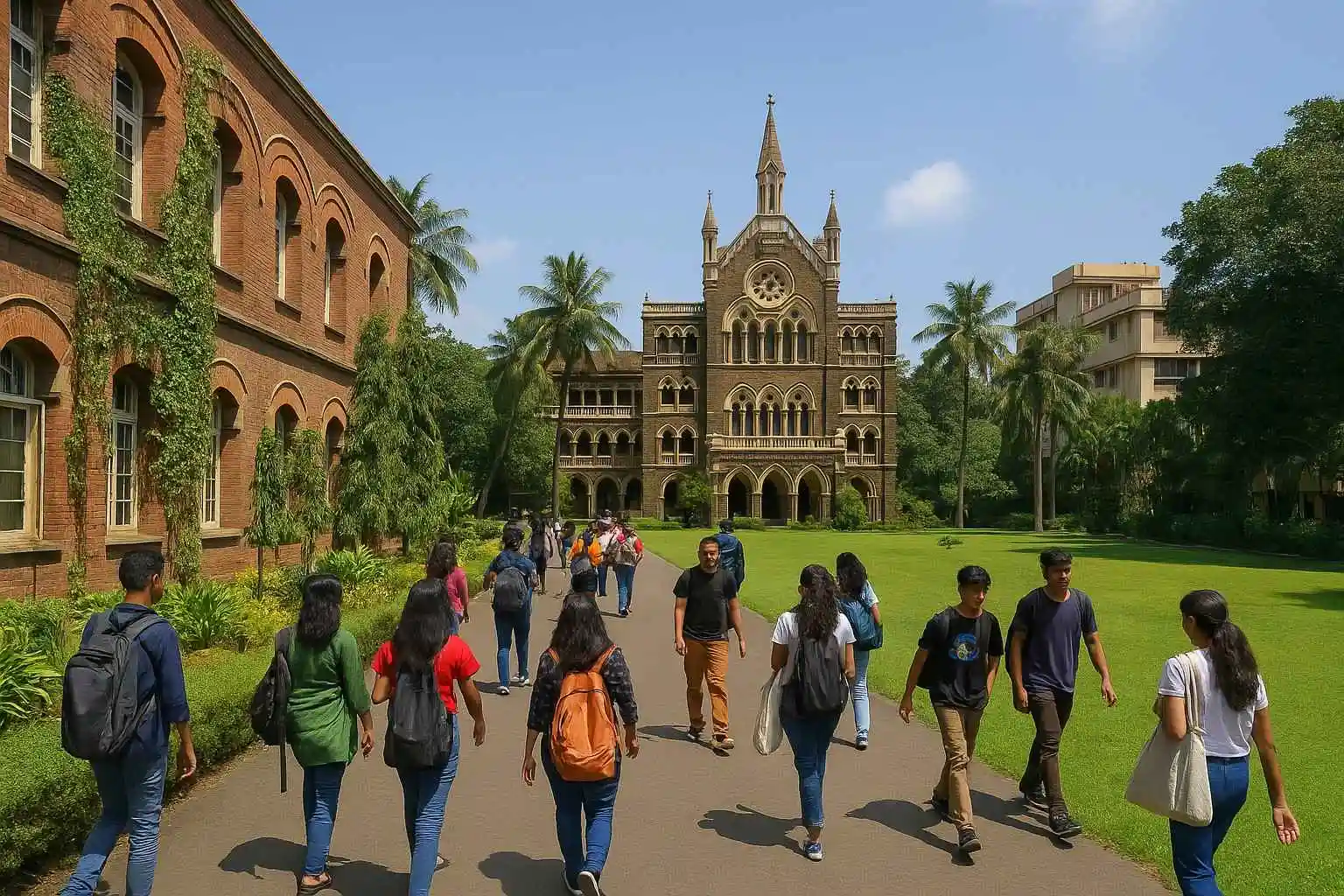
The growth of India’s built environment has been unprecedented in recent years due to rapid urbanisation and infrastructure upgrades. From the ever-increasing number of residential complexes, commercial properties, and mixed-use projects to shopping centres, hotels, and more, all this large-scale development threatens to increase the already rising global warming levels. As a result, sustainability has become the critical need of the hour. Buildings with green architecture make efficient use of
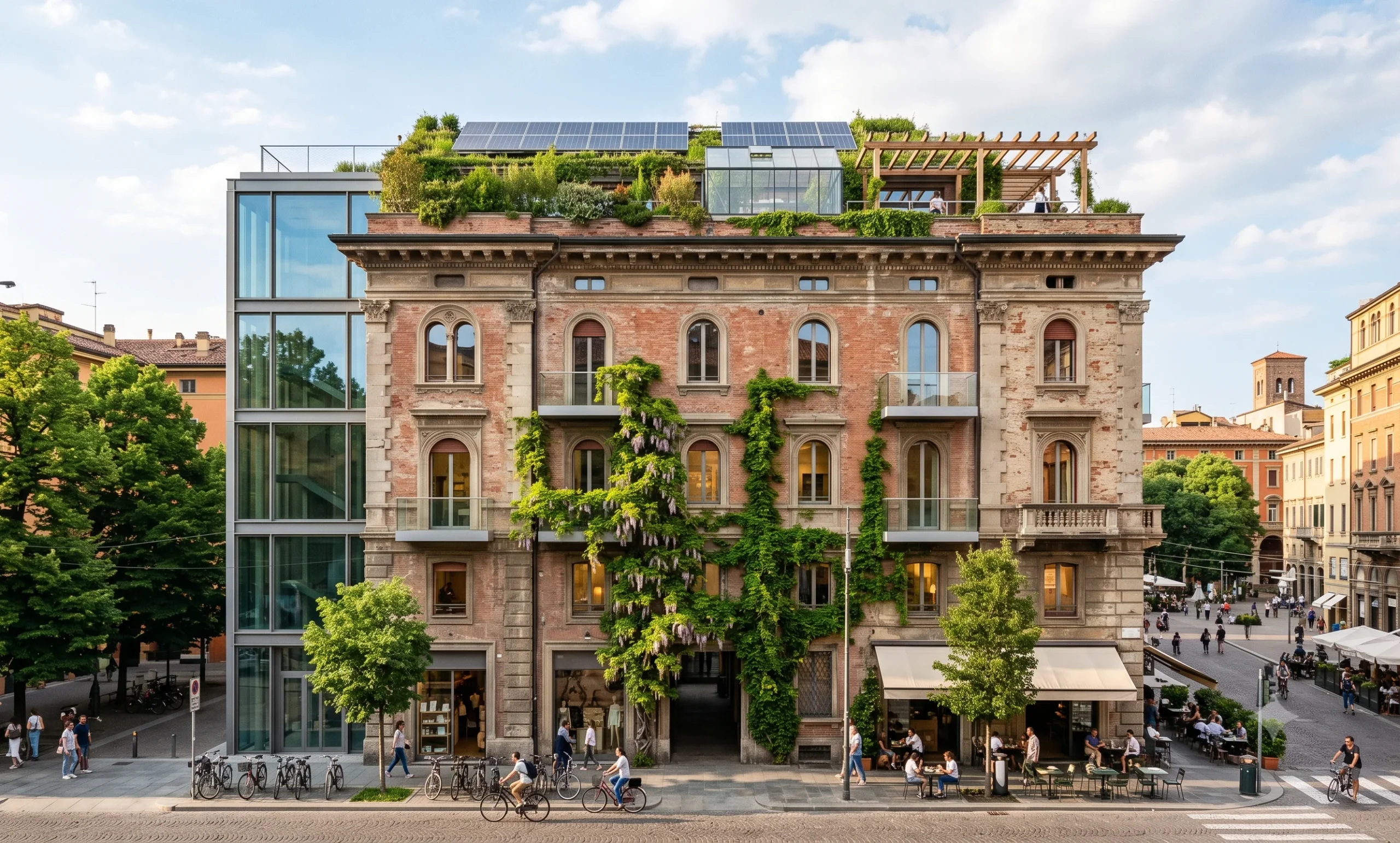
Adaptive reuse has become a transformative force in the field of architecture. This intelligent technique breathes new life into old, existing structures and repurposes them to suit modern requirements. Thus, it helps reduce waste, minimise environmental impact, and preserve history. Because the built environment contributes nearly half of global carbon emissions, adaptive reuse has become an increasingly vital approach to sustainable development. The best architecture colleges in Mumbai understand that
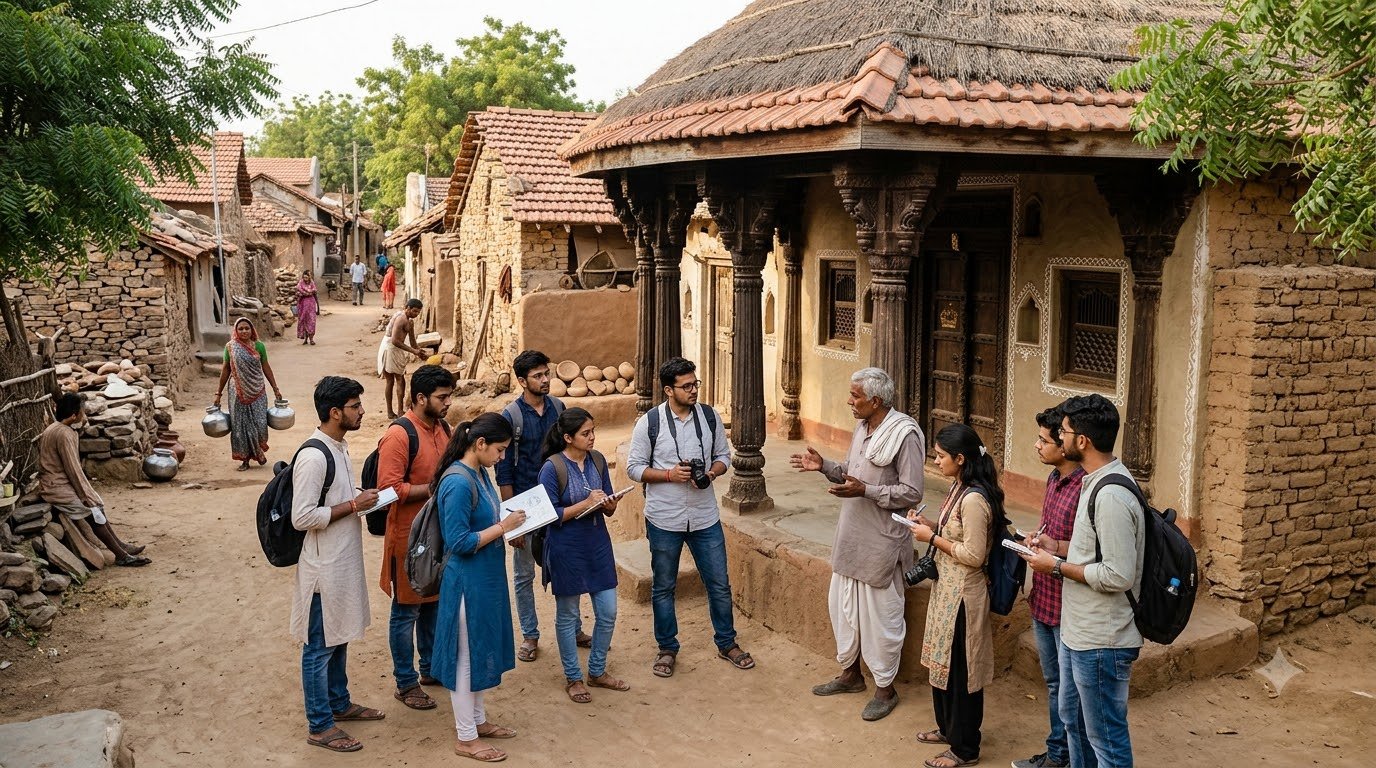
Architecture has always been shaped by its relationship with place. Long before air-conditioning, advanced structural systems and globally sourced materials became part of everyday construction, buildings had to respond directly to their climate, available resources, landscape and the ways in which people lived. This accumulated knowledge is reflected in vernacular architecture in India. Vernacular architecture wasn’t something that one learnt through a professional architecture course at architecture colleges in India.
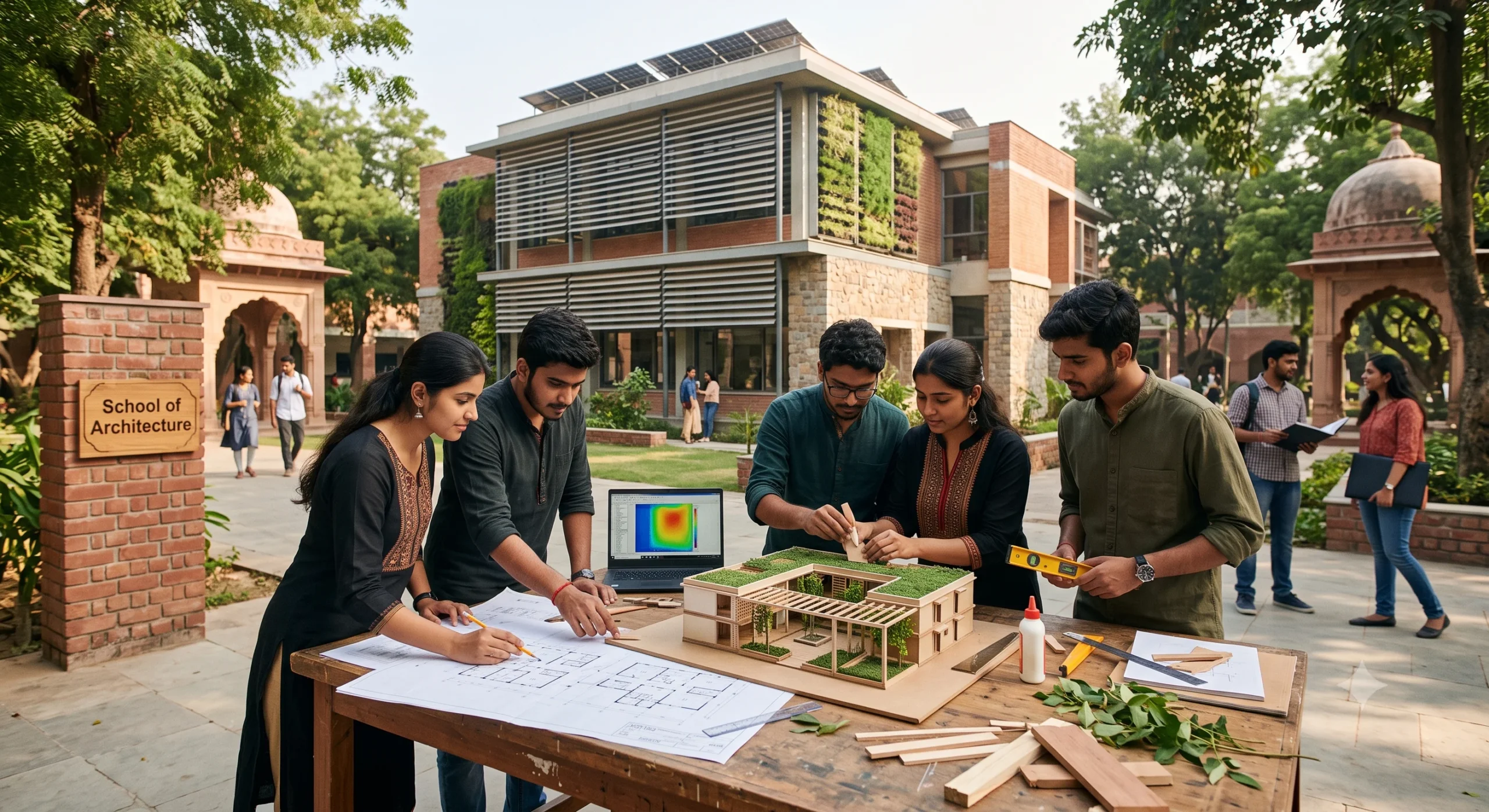
Modern construction conventionally uses materials like concrete, glass, steel, etc., that are unable to provide natural thermal comfort to spaces. Instead, it depends on mechanical ventilation methods to create a habitable indoor environment. However, given the rising global warming levels around the world, this is not exactly a sustainable design approach. This is precisely where climate-responsive architecture can make a difference. This traditional design method was used to construct buildings
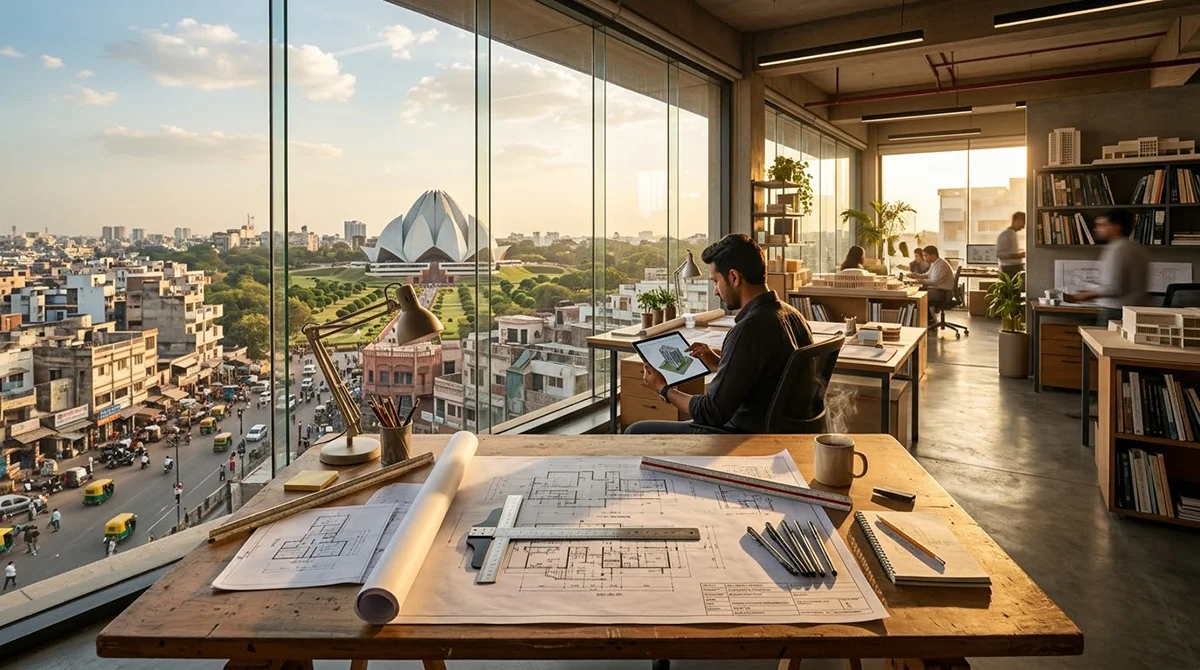
Parametric design is one of the most groundbreaking concepts of modern architecture. It is a futuristic approach that blends creativity with the computational power of software and data to design buildings. Compared to traditional design methods, this technique makes the design process much faster as well as more flexible, efficient, and optimised. Hence, most leading architecture courses in India, including the B. Arch. degree program at the L.S. Raheja School
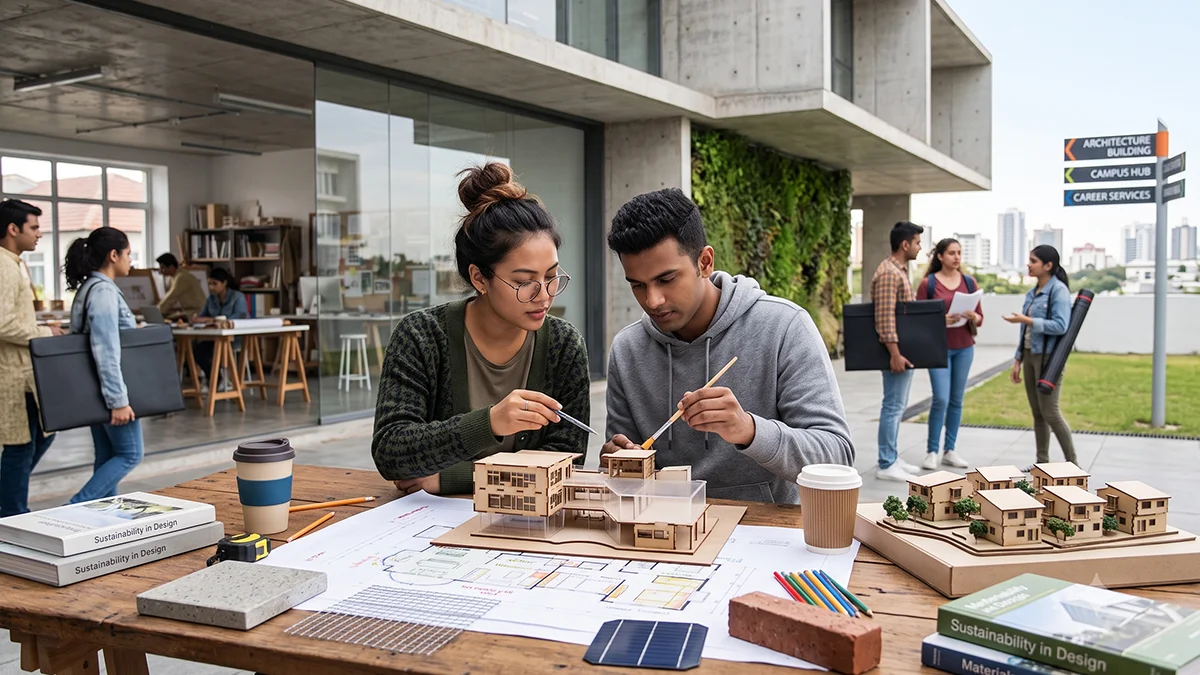
How BIM (Building Information Modeling) Is Reshaping Architecture Careers A decade ago, architecture graduates entering professional practice were primarily expected to prepare drawings, create CAD plans, and assist senior architects with drafting work. While these technical skills continue to be important, the expectations from today’s architecture professionals have changed significantly. Modern architectural firms seek professionals who can think beyond two-dimensional drawings. They look for graduates who understand digital collaboration, intelligent

The Rise of Sustainable Interior Design: Why Students Should Learn It Early In the face of increasing environmental awareness in the modern world, there is currently a major change taking place in the world of design. No longer are interior designs simply required to be aesthetically pleasing and functional; they are also expected to be sustainable, environmentally friendly, and to enhance quality of life. As such, sustainable interior design has

Interior designing is about more than just aesthetics or visual appeal. Interior design course students know that it also shapes human experiences within the built environment. Since we spend the majority of our time indoors, the design of the spaces we occupy has a huge impact on our subconscious mind. Therefore, it affects the way we feel, think, and behave. Interior designing courses train students to understand this spatial psychology

Bachelor of Architecture (or B. Arch.) and Bachelor of Technology in Civil Engineering (or B. Tech. Civil Engineering) are two of the most sought-after professional courses that science students choose for their undergraduate studies. Although engineering is conventionally more popular in India, architecture is an equally lucrative career pathway. In fact, since an architecture course blends science with art and creativity, it gives students unique insights that even engineering, with

Buildings, roadways, bridges, etc., are common features in cities and urban areas. This built environment that we see around us typically involves the expertise of two kinds of professionals: architects and civil engineers. Although the two fields are interrelated, they are not the same. After completing their 12th standard, many science stream students are confused between Architecture vs Civil Engineering. While both are lucrative options for those interested in the


